
Teen innovator builds AI tool to help fight poaching
- TWGA

- Apr 18
- 2 min read
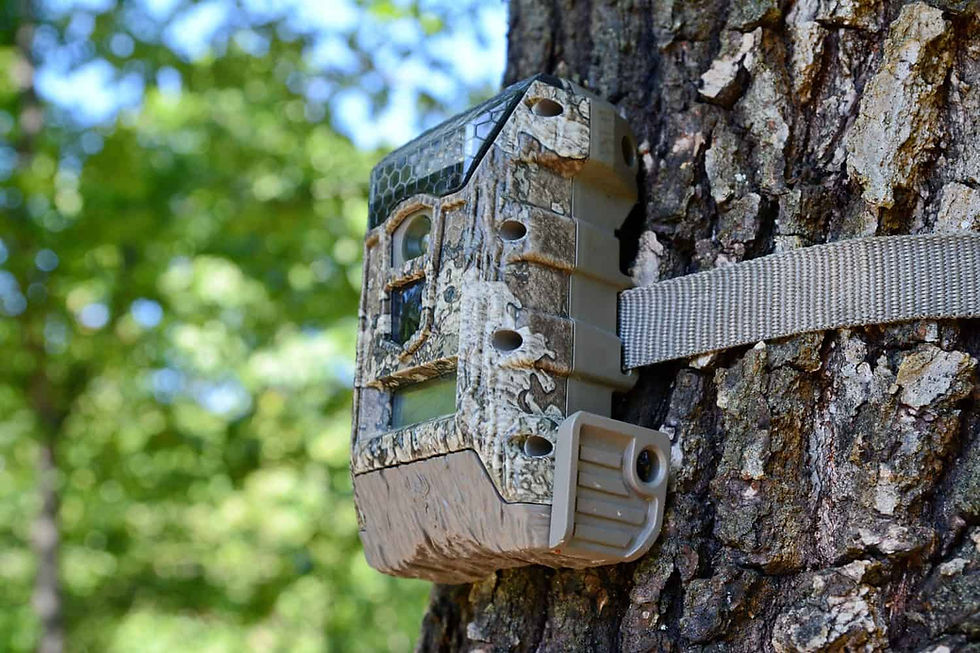
Deep in the rainforests of Central Africa, a quiet network of listening devices is monitoring around the clock. Deployed by Cornell University Elephant Listening Project, these real time recorders capture the low rumbles of elephants and, more crucially, the sounds of gunfire. ELP has placed a web of these devices over nearly 2,000 square kilometers (772 square miles), the system is designed to help conservationists and rangers detect poaching activity in real time.
The biggest hindrance to this project has been picking out such specific sounds among all the background noise of the rainforests; sounds like snapping branches, rolling thunder, and even certain monkey calls can mimic gunshots. This leads to a flood of false alarms, overwhelming the system and forcing human analysts to manually sift through hours of audio.
Traditional AI solutions haven’t fully solved the problem either, some models flag too many false positives to be practical, while others are so narrowly trained that they fail when applied to new environments. As researcher Daniela Hedwig explains, highly sensitive detectors often generate “thousands and thousands” of irrelevant signals creating a significant bottleneck for conservation teams.
This is where Naveen Dhar comes in, a 17-year-old from San Diego, Dhar taught himself programming and, developed a streamlined neural network that approaches the problem differently. His model converts audio into visual spectrograms, allowing it to identify the distinctive spike-and-decay pattern unique to a gunshot.
By intentionally keeping the model lightweight, Dhar was able to avoid a common pitfall known as “overfitting” — where systems perform well only in the environments they were trained on. His approach, however, has proved far more adaptable: a model trained on recordings from Belize was still able to accurately detect gunshots in forests across Africa and Vietnam.
Cornell’s earlier system achieved just 8.4% precision, meaning most alerts were false alarms. Dhar’s model boosted precision to 87% on the same dataset, while still capturing a similar number of actual gunshot events.
With this incredible leap in detection accuracy rangers can respond to threats as they happen instead of reviewing recordings weeks later thereby making anti-poaching efforts faster, safer, and more effective.
To learn more listen to the Science Quickly Podcast : https://www.scientificamerican.com/podcast/episode/how-a-teens-ai-model-could-help-stop-poaching-in-rainforests/


Comments